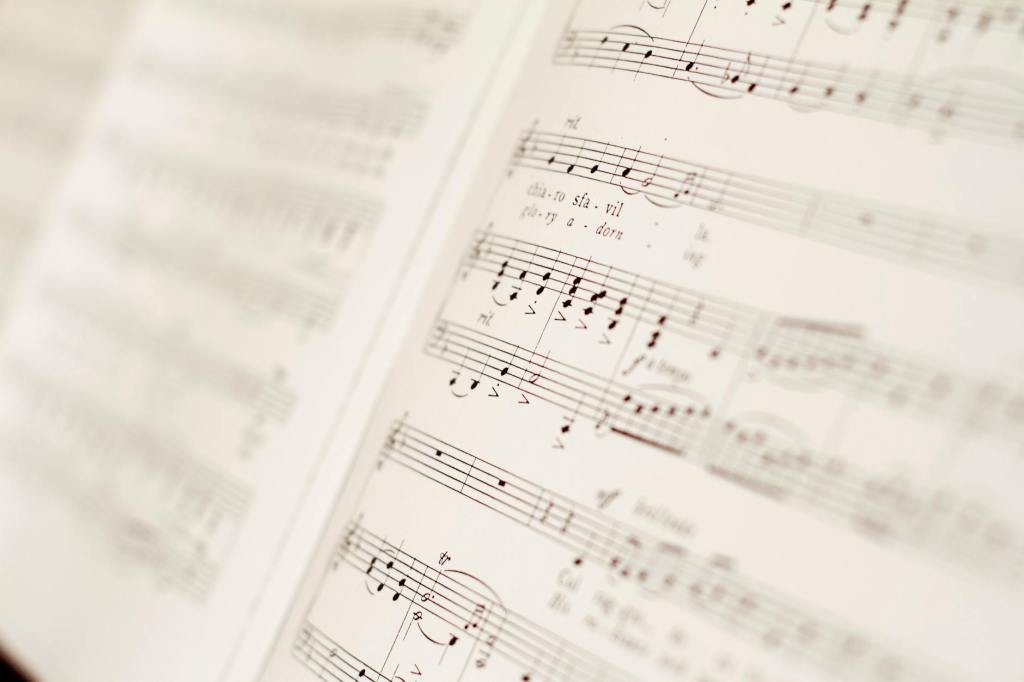
Now we will talk about bar lines and clefs in music. The clefs will make more sense once we talk about the notes that fit in them, which will be either later today or tomorrow. Let’s get to it!
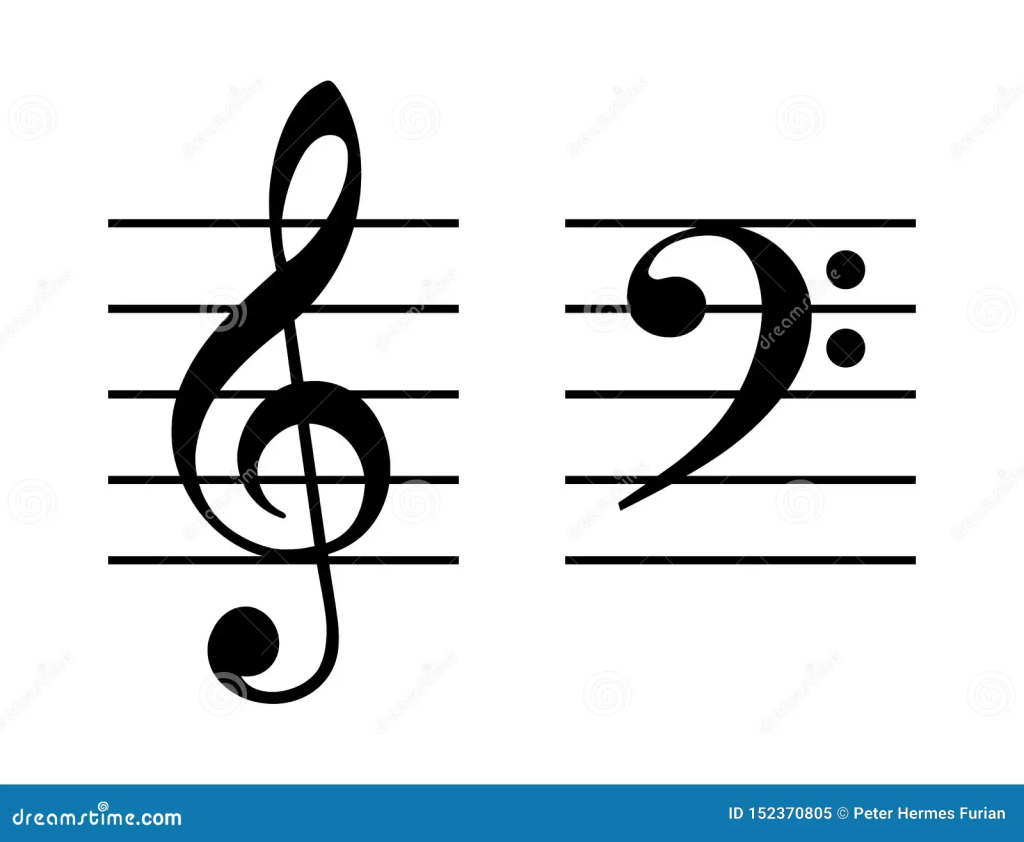
There are two main clefs in music: The treble (G) clef (Right) and the bass (F) clef (Left). The treble clef is also known as the G clef because the swirl goes around the note G on the staff (More in next post). The bass (Pronounced BASE) clef is known as the F clef because the two dots next to it touch around the F on the staff and the main dot on the swirl touches F. The treble clef holds the higher notes, while the bass clef holds the lower notes.
Now let’s talk about bar lines. There are three main types of bar lines: Measures, also known as bars, repeat bars, and the double bar.
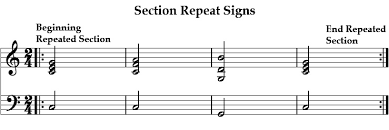
The measure, as we have seen, separates groups of notes and rhythms according to the time signature. The other two bars, however, are slightly different. The repeat bar before a measure means that you must find the closest repeat bar after a measure and go back from the first repeat until you reach the other repeat (the one after the measure). See second above photo. Then, unless specifically stated to repeat more than once, move on to the next section of music. The double bar line is simple: It signals the end of a piece of music!
I hope you learned something! See you in the next post! Remember, you can always contact me if you are still confused and I will do my best to help. Have a great day!
Post photo 1 by Dreamstime
Post photo 2 by OnMusic Dictionary
Cover picture by Cesar Casanova
 The Happy Musician
Leave a comment